


designed by freepik
Ready to unlock the secrets to a flawless foundation that enhances your natural radiance? Let’s embark on this exciting journey together
Embark on this exciting journey with our comprehensive guide, and discover the tools and knowledge to confidently find your perfect foundation match.
Disclaimer: While we strive for inclusivity, it’s important to acknowledge that the makeup industry might not always offer a perfect shade match for every unique skin tone. However, fear not! This guide provides strategies to help you find the closest possible match that complements your beautiful complexion.
Unearthing the ideal foundation shade can feel like embarking on a thrilling quest.
It’s more than just finding a colour match; it’s about unlocking a key that enhances your natural beauty and empowers you with newfound confidence.
But with a vast array of options staring back at you from store shelves, navigating this world of foundation can feel daunting.
Fear not, beauty seeker! This comprehensive guide will equip you with the knowledge and tools to confidently discover your perfect foundation match.
Understanding Your Skin Tone: The Foundation of the Matter:
 designed by freepik
The foundation for your foundation journey (pun intended!) begins with understanding your skin tone.
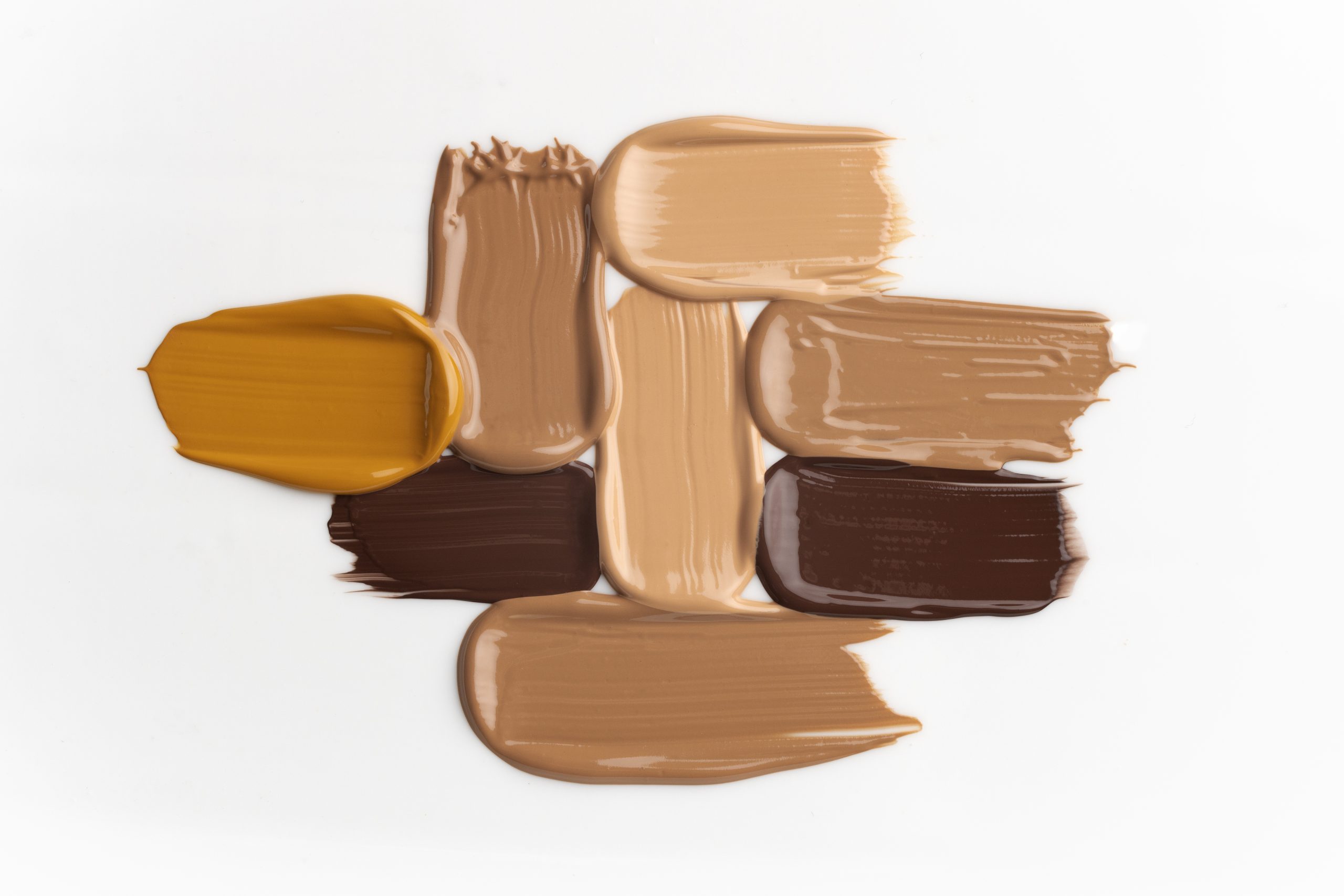
Skin tone refers to the overall colour of your skin, ranging from fair to deep.
Here’s a closer look at some common skin tones:
- Fair: If your skin burns easily in the sun and has a tendency to freckle, you likely have a fair skin tone. This complexion often appears milky white, porcelain, or ivory with pink or rosy undertones.
- Light: You might have a light skin tone if you tan gradually with some occasional burning. This skin tone can range from light beige to light honey with cool, warm, or neutral undertones.
- Medium: If you tan easily with minimal burning, your skin tone might be medium. This category encompasses a broader range of colours, from golden beige to olive with cool, warm, or neutral undertones.
- Deep: If your skin tans deeply with minimal burning, you likely have a deep skin tone. This complexion can range from rich caramel to deep chocolate with cool, warm, or neutral undertones.
Remember: These are just general descriptions. Many people fall somewhere in between or have a combination of skin tones.
-
- Tip: Begin by examining your skin under natural light to accurately assess its tone. This means stepping outside or standing by a window to observe how your skin looks in different lighting conditions throughout the day.
- Trick: Consider seeking professional advice from makeup artists or beauty consultants who can conduct a colour-matching session to determine your skin tone more precisely.
- Example: Take note of any colour variations on your skin, such as redness, discoloration, or pigmentation, as these can impact the foundation shade you choose.
- Hack: Experiment with swatching different foundation shades along your jawline and neck to see how they blend with your natural skin tone. This allows you to compare shades side by side and select the most suitable match.
Understanding Undertones:
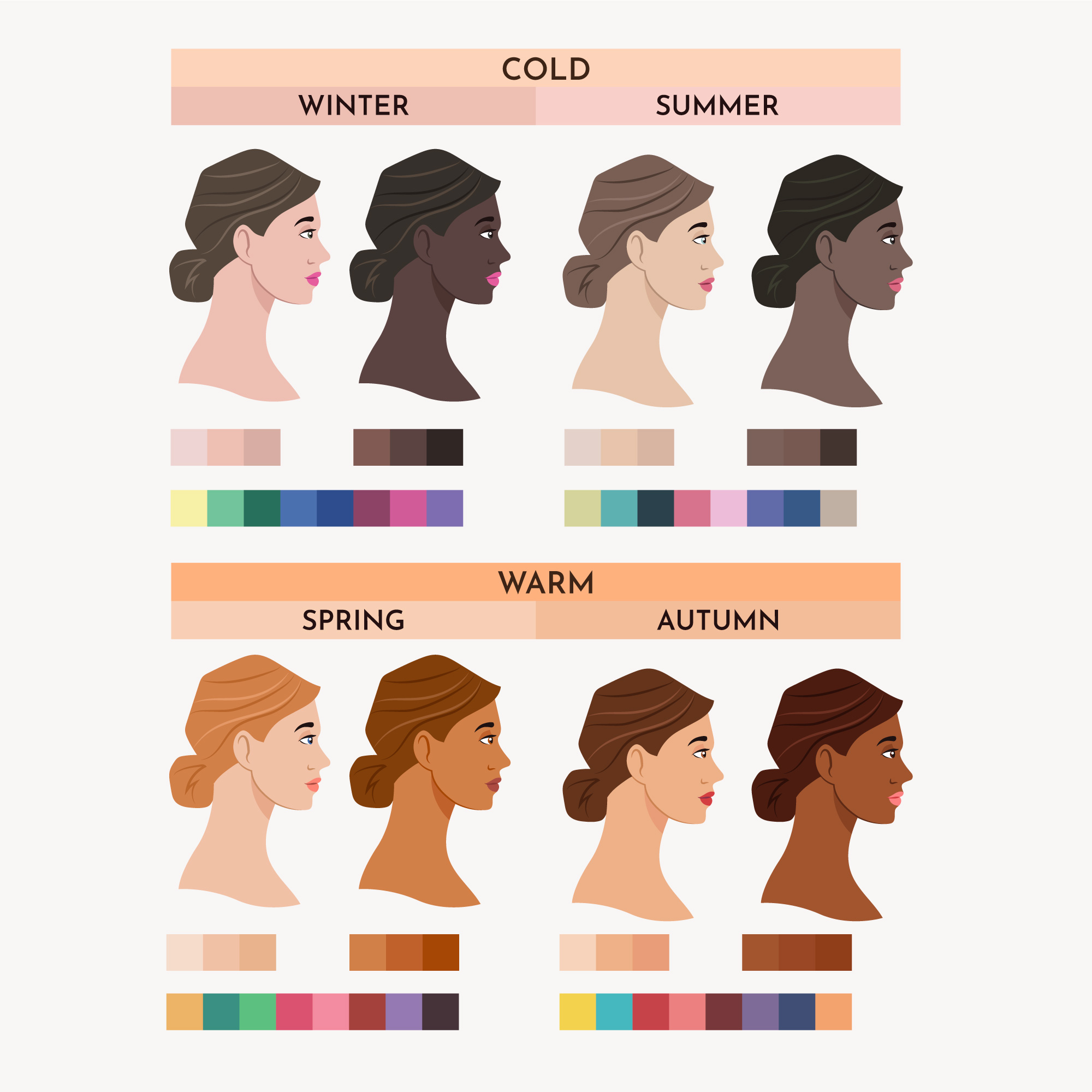
Undertone refers to the subtle hue beneath the surface of your skin, often described as cool, warm, or neutral.
by freepik
Identifying your undertone is crucial for achieving a seamless foundation match, as it affects how the shade blends with your skin.
Here are a few methods to unveil your undertone:
- The Vein Test: Take a peek at the veins on your inner wrist. If they appear blue or purple, you likely have cool undertones. Greenish veins often indicate warm undertones, while difficulty distinguishing the colour may suggest neutral undertones.
- The Jewellery Test: Silver jewellery typically complements cool undertones, while gold flatters warm undertones. If both metals look equally good on you, you might have neutral undertones.
-
- Tip: Undertones are the subtle hues beneath the surface of your skin that influence how foundation shades appear. They are categorized as cool (pink or blue), warm (yellow or golden), or neutral (a mix of both).
- Trick: Pay attention to how your skin reacts to different colours of clothing or jewellery. If you notice that certain hues enhance your complexion, it can indicate your undertone.
- Example: Try holding up fabrics in shades of blue-green and orange-red against your skin. If the blue-green complements your skin more, you likely have cool undertones; if the orange-red looks better, you may have warm undertones.
- Hack: Use online resources such as undertone quizzes or guides provided by makeup brands to help you identify your undertone. These tools often ask specific questions about your skin’s reaction to different colours to determine your undertone accurately.
Understanding Your Skin Type
by freepik
The foundation (pun intended!) for achieving a flawless makeup look starts with understanding your skin type.
This knowledge empowers you to choose the right foundation formula and skincare routine for your unique complexion.
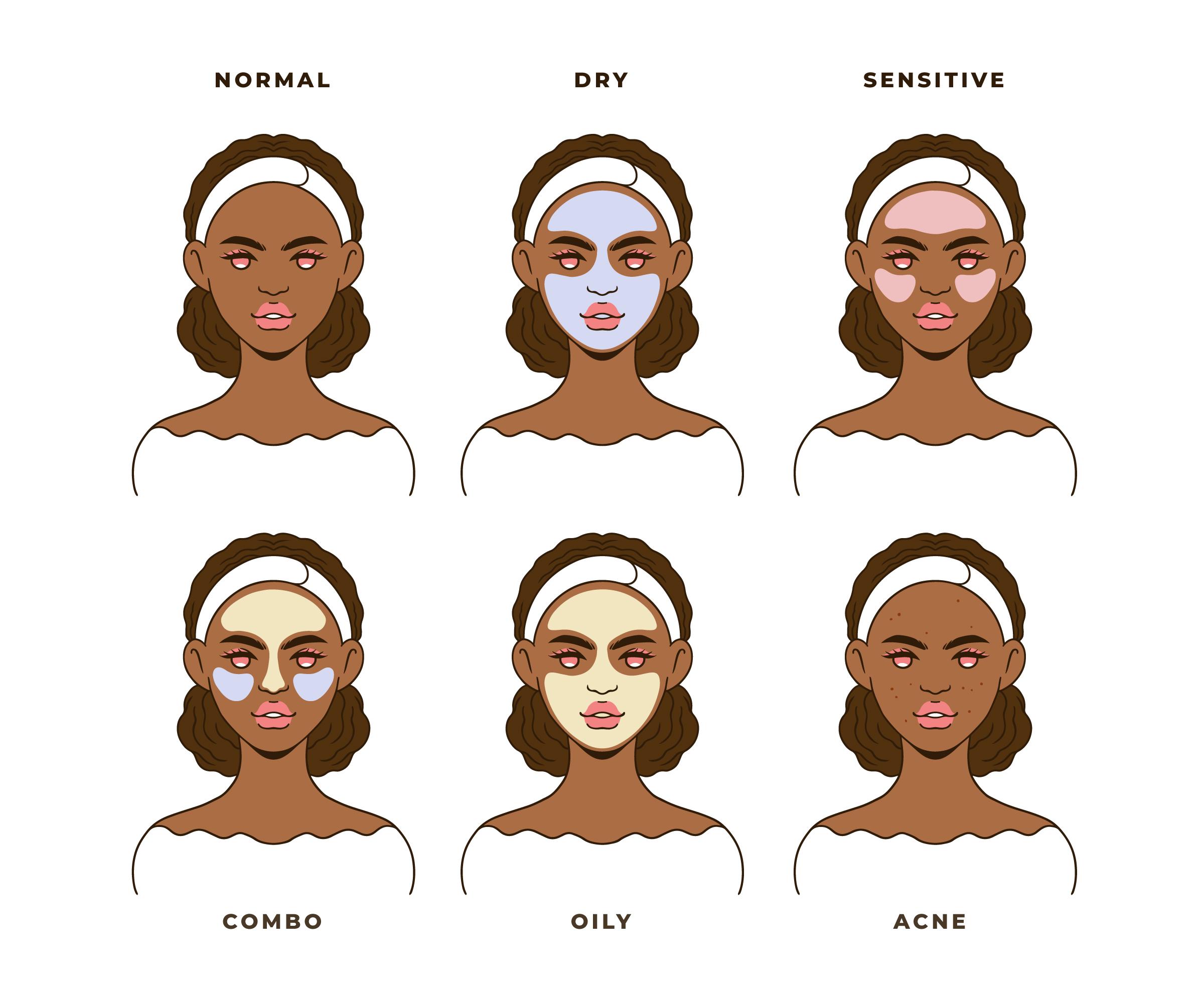
Here’s a breakdown of the four main skin types:
-
Normal Skin: The holy grail! Normal skin is balanced, neither too oily nor too dry. It has a smooth, even texture and minimal blemishes.
-
Dry Skin: Dry skin lacks moisture, often feeling tight, flaky, and rough. It can be itchy and uncomfortable, especially in cold, dry weather. Dry skin is prone to fine lines and wrinkles.
-
Oily Skin: Oily skin produces excess sebum (oil), resulting in a shiny, greasy appearance. Oily skin is prone to enlarged pores and blackheads.
-
Combination Skin: This is the most common skin type. Combination skin exhibits characteristics of both oily and dry skin. The T-zone (forehead, nose, and chin) tends to be oily, while the cheeks and outer areas of the face can be normal or dry.
Understanding your skin type is essential for creating a customized skincare routine and choosing the right foundation formula. Here are some additional tips:
-
Consider your skin’s sensitivity: Sensitive skin is easily irritated by certain ingredients or environmental factors. If you experience redness, burning, or itching after using a product, it might be irritating your skin.
-
Your skin type can change over time: Factors like age, hormones, climate, and lifestyle can influence your skin type. It’s important to be mindful of these changes and adjust your skincare routine accordingly.
By understanding your skin type, you can make informed decisions about the products you use and achieve a healthy, balanced complexion that’s perfectly prepped for foundation application.
- Tip: Assess your skin’s characteristics, including oiliness, dryness, sensitivity, and any specific concerns such as acne or aging. This helps you choose foundation formulas and skincare products that cater to your skin’s needs.
- Trick: Keep a skincare journal to track how your skin behaves throughout the day and in different climates. Note any changes or reactions to products to identify patterns and determine your skin type more accurately.
- Example: If your skin feels tight, flaky, or rough, especially after cleansing, you likely have dry skin. Conversely, if you notice excess shine, especially in the T-zone, you may have oily skin.
- Hack: Consider scheduling a consultation with a dermatologist or skincare specialist to assess your skin type and receive personalized recommendations for skincare routines and products.
Prepping Your Face for Flawless Foundation:
by cottonbro studio
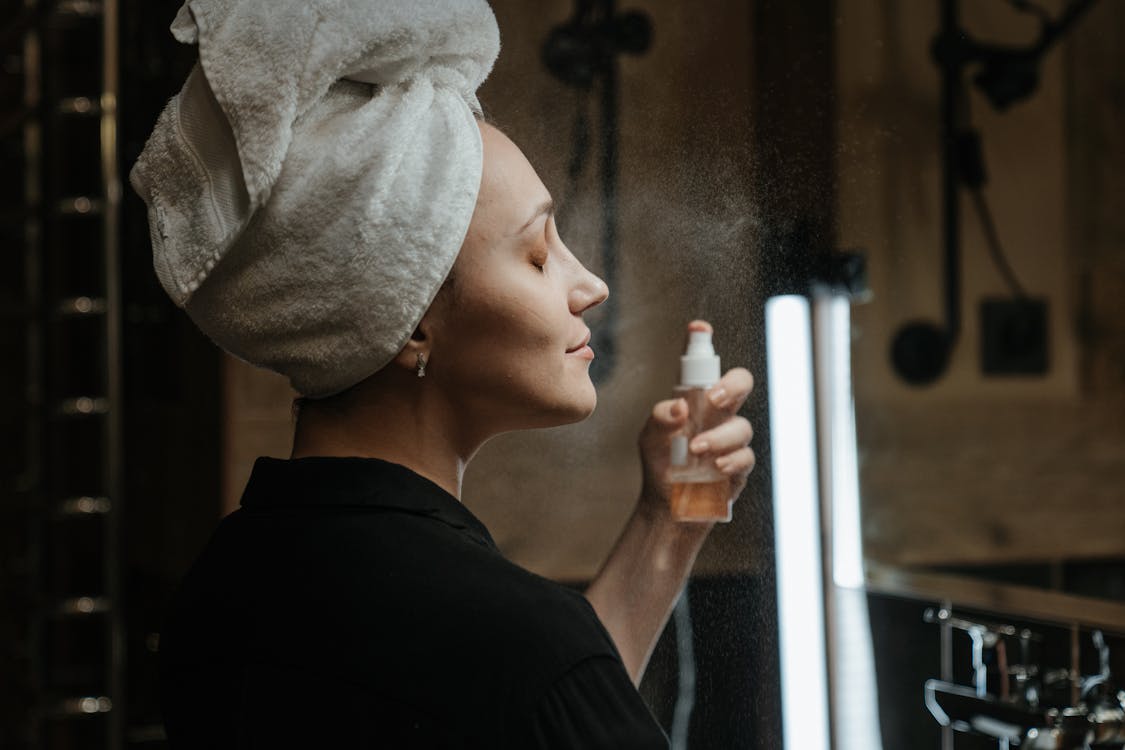
Before diving into foundation application, prepping your skin is crucial!
A prepped canvas ensures smooth, even makeup application that lasts longer.
Here’s a step-by-step guide to get your face foundation-ready:
-
Cleanse: Wash your face with a gentle cleanser suitable for your skin type. This removes dirt, oil, and makeup residue, creating a clean base for foundation.
-
Exfoliate (Optional): For an extra smooth canvas, gently exfoliate 1-2 times per week. This removes dead skin cells that can cause foundation to look patchy or cakey. Opt for a gentle exfoliator suitable for your skin type to avoid irritation.
-
Tone (Optional): While not essential for everyone, toner can help balance your skin’s pH and minimize the appearance of pores. Choose a toner that suits your skin type (hydrating for dry skin, oil-controlling for oily skin).
-
Moisturize: Apply a moisturizer suitable for your skin type. This hydrates and plumps the skin, creating a smooth, even surface for foundation application. Opt for a lightweight, oil-free moisturizer if you have oily skin.
-
Prime (Optional): Primer creates a barrier between your skin and makeup, helping foundation glide on smoothly and extend its wear time. Choose a primer that addresses your specific concerns (mattifying for oily skin, pore-minimizing for enlarged pores).
Pro Tip: Allow your moisturizer and/or primer to dry completely before applying foundation. This ensures even application and prevents the foundation from looking streaky.
By following these steps, you’ll create the perfect canvas for flawless foundation application.
Remember, a well-prepped face allows your foundation to look its best and last longer throughout the day!
- Tip: Start by cleansing your face with a gentle cleanser suitable for your skin type. This removes dirt, oil, and impurities, creating a clean canvas for makeup application.
- Trick: Consider incorporating a facial exfoliator into your skincare routine once or twice a week to remove dead skin cells and promote a smoother texture. Be gentle, especially if you have sensitive or acne-prone skin.
- Example: After cleansing and exfoliating, apply a lightweight, hydrating moisturizer to replenish moisture and create a smooth base for foundation. Look for non-comedogenic formulas that won’t clog pores or cause breakouts.
- Hack: Use a primer before applying foundation to extend its wear time and improve its adherence to the skin. Primers also help smooth out imperfections and minimize the appearance of pores for a flawless finish.
Exploring the Foundation Universe:
Now that you’ve identified your skin tone and undertone, it’s time to explore the exciting world of foundation formulas!
Each formula offers unique benefits to suit different skin types and desired finishes.
Here’s a breakdown of some common foundation types:
- Liquid Foundation: A versatile option offering medium to full coverage. It comes in various finishes (matte, dewy, or satin) and works well with most skin types.
- Powder Foundation: Perfect for oily skin, offering light to medium coverage with a mattifying effect. It helps control shine and provides a smooth, polished finish.
- Cream Foundation: A hydrating formula suitable for dry skin, offering light to full coverage with dewy or matte finishes. It creates a natural, radiant look.
- Tinted Moisturizer: A lightweight option that provides sheer coverage and hydration. It’s ideal for those who prefer a natural, no-makeup makeup look.
- Tip: Familiarize yourself with different foundation formulas, including liquid, cream, powder, and stick formulations. Each type offers unique benefits and finishes to suit various skin types and preferences.
- Trick: Consider factors such as coverage level, finish, and longevity when selecting a foundation formula. For example, if you prefer lightweight coverage with a natural finish, a tinted moisturizer or BB cream may be ideal.
- Example: Liquid foundations are versatile and offer buildable coverage, making them suitable for most skin types. Cream foundations provide more coverage and hydration, making them ideal for dry or mature skin.
- Hack: Experiment with mixing different foundation formulas to customize your coverage and finish. For example, mix a matte foundation with a luminous primer for a natural-looking glow.
The Art of Testing Foundation Shades:
by boom
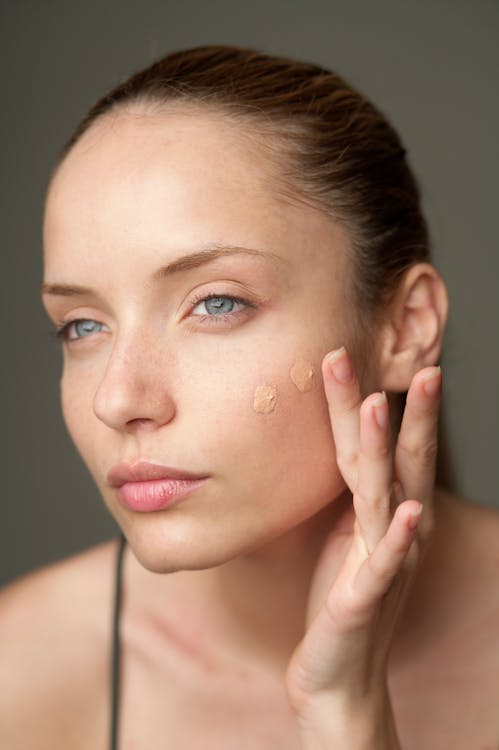
The moment of truth has arrived! Here’s how to embark on your foundation shade-testing adventure:
- Natural Light is Key: Avoid artificial lighting, which can distort colours. Instead, head to a well-lit area with natural light for your testing session.
- Clean Canvas: Apply a small amount of foundation to your clean, bare jawline. This area provides the best representation of your overall facial skin tone.
- Blend it Seamlessly: Blend the foundation outward using a brush, sponge, or your fingertips. Observe how the shade blends with your skin tone and undertone. Does it disappear flawlessly, or does it leave a noticeable cast?
- Repeat & Compare: Test several shades with different undertones to find the one that seamlessly disappears into your skin and evens out your complexion. Don’t be afraid to experiment!
- Tip: Test foundation shades on your jawline or the side of your face, rather than on your hand or wrist, for a more accurate match. The goal is to find a shade that seamlessly blends into your natural skin tone.
- Trick: Consider factors such as lighting conditions and undertones when selecting a foundation shade. Test shades in natural light to ensure they match your skin tone in different environments.
- Example: If you’re unsure about your undertone, opt for a foundation shade with neutral undertones, as they tend to be more versatile and complement a wide range of skin tones.
- Hack: Take advantage of makeup store samples or testers to try out different foundation shades before making a purchase. This allows you to see how the foundation wears throughout the day and whether it oxidizes or changes colour.
Considerations for a Flawless Finish
- Seasonal Shifts: Your skin tone might change slightly throughout the year. Consider getting a lighter shade for winter and a deeper shade for summer.
-
Embrace Your Preferences: When choosing a foundation, consider your desired coverage level (light, medium, or full) and finish (matte, dewy, or satin). Opt for the formula that best suits your skin type and makeup preferences.
- Coverage: Here’s a breakdown of coverage levels:
- Light Coverage: Provides a natural, sheer finish, perfect for even skin tones or those who prefer a minimal makeup look.
- Coverage: Here’s a breakdown of coverage levels:
-
-
- Medium Coverage: Offers enough coverage to even out skin tone, minimize imperfections, and create a flawless base for other makeup products.
-
-
-
- Full Coverage: Provides complete coverage for blemishes, redness, and hyperpigmentation. Ideal for those who desire a more dramatic look or have significant imperfections to conceal.
-
-
- Finish: Choose a finish that complements your skin type:
- Matte Finish: Ideal for oily skin, controls shine, and provides a smooth, poreless appearance.
- Finish: Choose a finish that complements your skin type:
-
-
- Dewy Finish: Hydrates and leaves a luminous, radiant glow, perfect for dry or mature skin.
-
-
-
- Satin Finish: Offers a balance between matte and dewy, providing a natural, flawless look for most skin types.
-
-
Don’t Rush the Process: Finding the perfect foundation shade takes time and experimentation. Don’t get discouraged if you don’t find the ideal match on the first try. Embrace the process, and have fun exploring different options!
- Tip: Apply foundation using a makeup sponge, brush, or your fingers, depending on your preference and the desired finish. Start with a small amount and build up coverage gradually to avoid a heavy or cakey look.
- Trick: Use tapping or stippling motions to blend foundation seamlessly into the skin, focusing on areas that need more coverage or where makeup tends to crease or settle.
- Example: Set your foundation with a translucent powder to mattify the skin and minimize shine, especially in the T-zone. For a natural finish, use a fluffy brush to dust powder lightly over the face, focusing on oily areas.
- Hack: If you prefer a dewy finish, skip powder altogether and opt for a setting spray instead. This helps lock in makeup while adding a subtle glow to the skin
Bonus Tip: Setting Your Foundation:
by Godisable Jacob
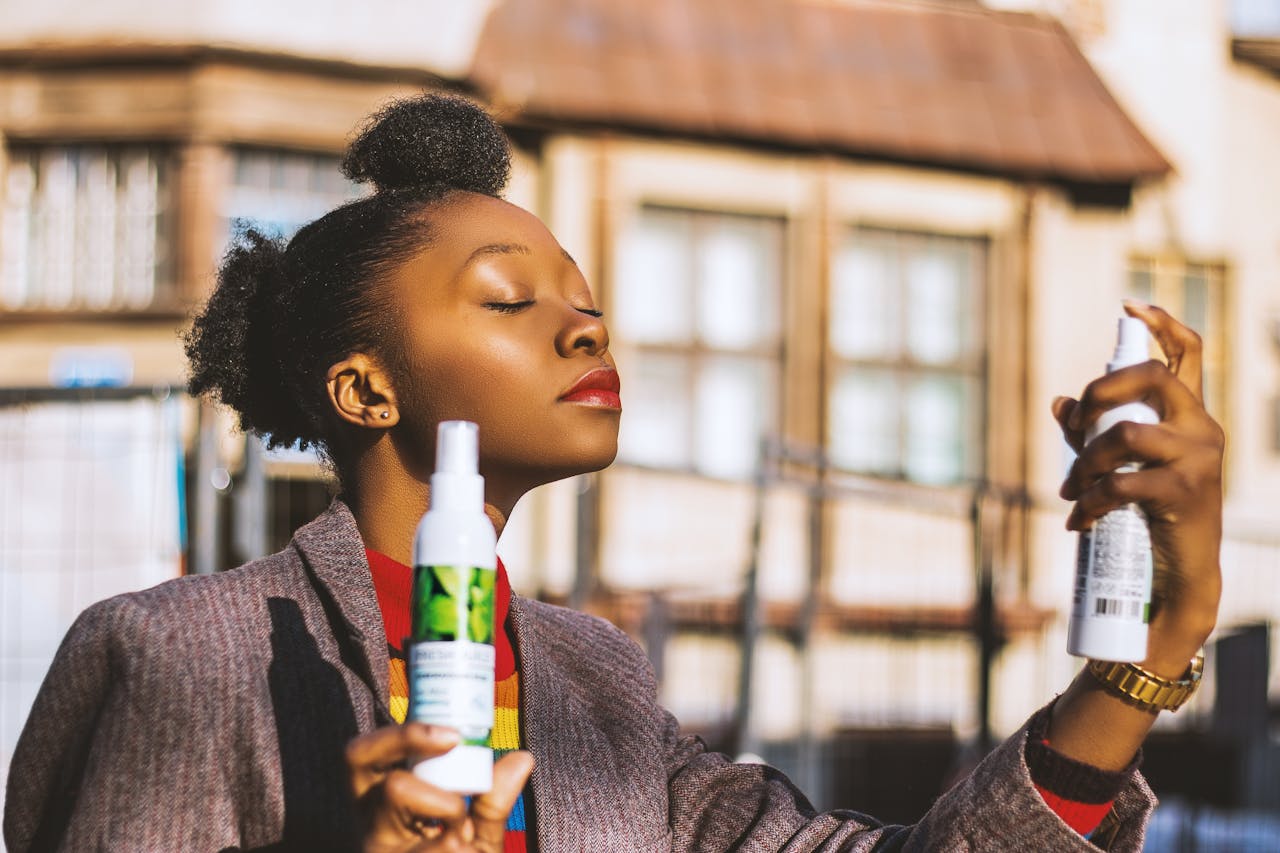
Once you’ve found your perfect foundation shade, ensure it stays put throughout the day with a setting powder or setting spray.
This helps control shine, prevent smudging, and keeps your foundation looking fresh for hours.
learn how to make your makeup last longer
- Tip: After applying foundation and concealer, allow the products to set for a few minutes before applying any additional makeup. This allows them to adhere to the skin and prevents them from moving or creasing.
- Trick: Use a setting powder or spray to lock in your makeup and extend its wear time. Apply powder with a brush or puff, focusing on areas prone to oiliness or where makeup tends to smudge or fade.
- Example: For a more natural finish, opt for a translucent setting powder that won’t alter the colour of your foundation. Press the powder into the skin using a rolling motion to set makeup without disturbing it.
- Hack: Keep a travel-size setting spray in your purse for touch-ups throughout the day. A quick spritz helps refresh makeup and keeps it looking flawless, even in hot or humid weather.
Conclusion
By following this comprehensive guide and embracing a little experimentation, you’ll be well on your way to unlocking the perfect foundation shade.
Remember, the ideal foundation should enhance your natural beauty, not mask it.
With confidence and the right tools, you’ll discover a foundation routine that empowers you to radiate and express your unique style.
Ready to find your perfect foundation shade?
Put these tips into practice and share your favourite foundation finds in the comments below!
We’d love to hear about your experience and what worked best for you.
Additional Tips:
- Look for drugstore foundations that offer a wide range of shades and undertones.
- Many brands offer online quizzes or shade-matching tools to help you find your perfect match.
- Consider getting samples from makeup stores before purchasing a full-sized foundation.
- Watch makeup tutorials online for tips on applying foundation and achieving a flawless finish.