

Warmth That Adapts to Summer Conditions
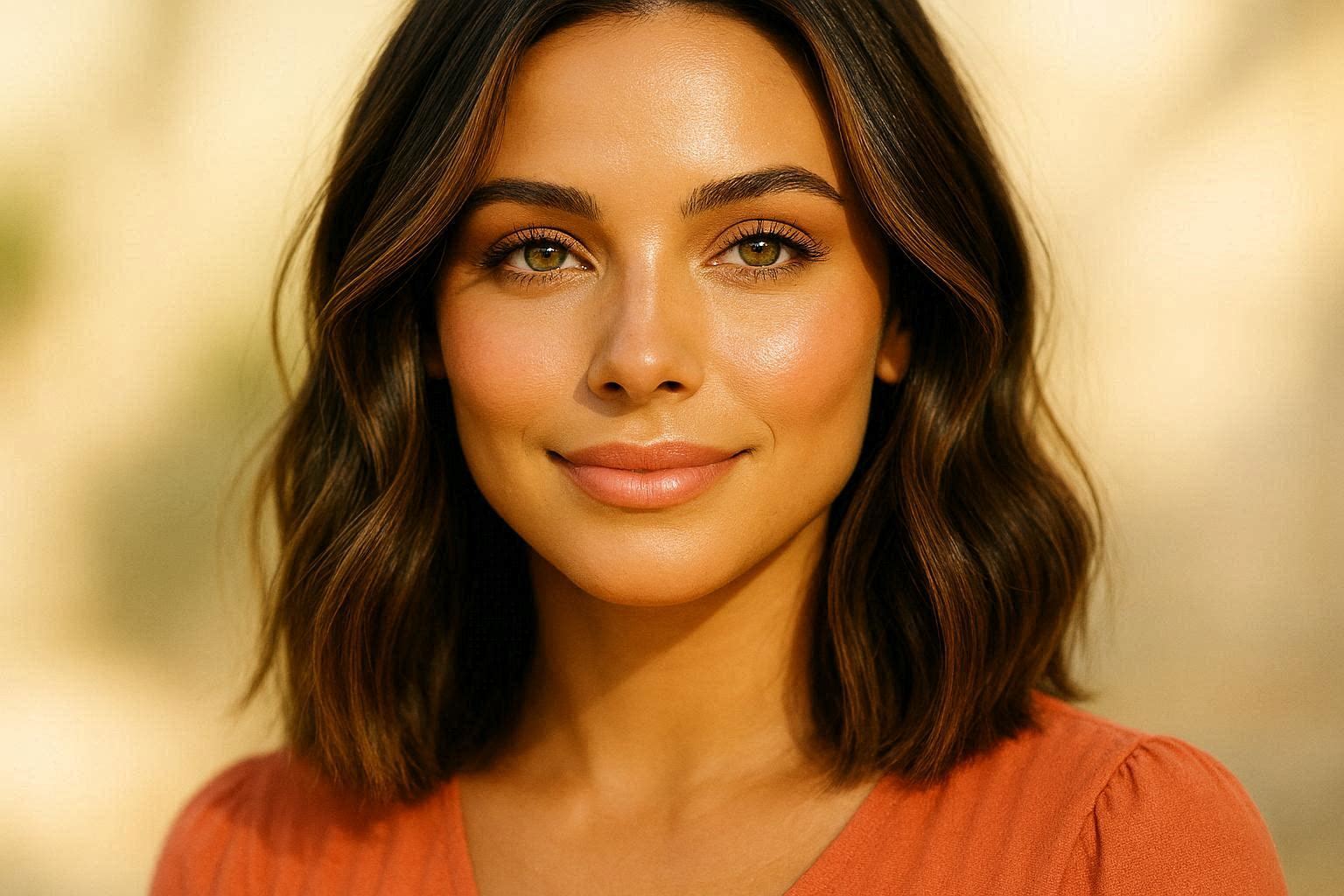
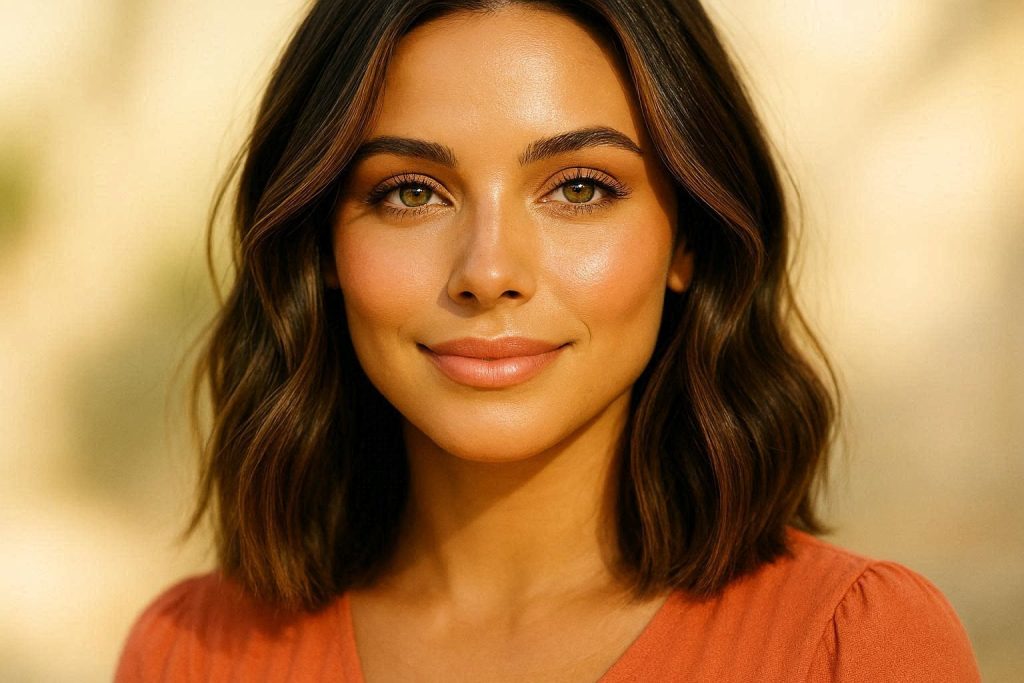
Warmer weather and increased humidity change how makeup interacts with the skin. Traditional matte, heavily layered approaches often shift, separate, or emphasize texture in direct sunlight. Modern complexion techniques have shifted toward lightweight layering, breathable formulas, and strategic placement that mimics natural light exposure without heaviness.
The bronze and blush approach focuses on adding dimension through targeted warmth rather than full-face coverage. By selecting formulas that blend with the skin’s natural oil production and applying them with deliberate placement, you can create a consistent, camera-ready finish that holds through heat, movement, and extended outdoor time. This guide outlines the application methods, product considerations, and maintenance techniques that support a reliable, warm-weather complexion routine.
Sculpting with Warmth: Modern Bronzing Technique
Cream vs. Powder Bronzer for Humidity
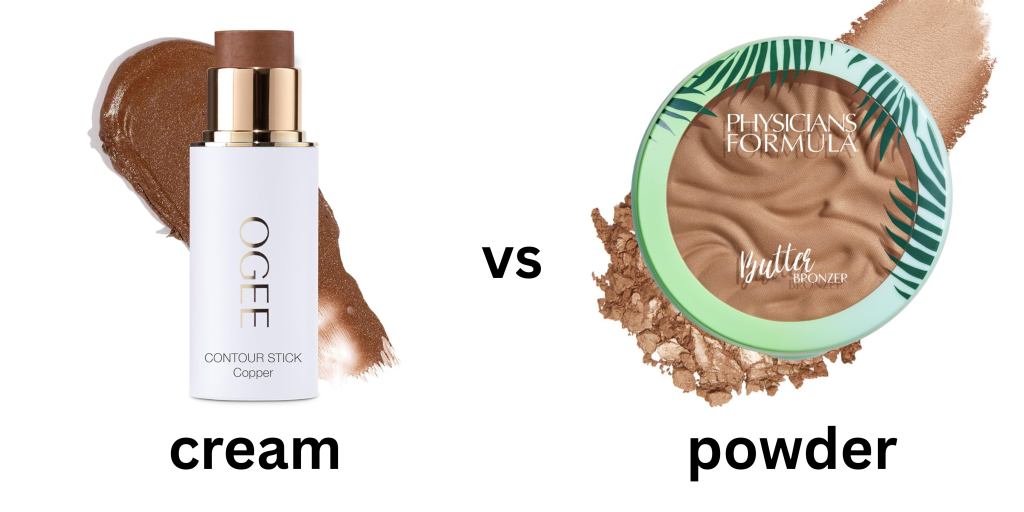
Traditional contour relied on cool, matte shadows to create artificial depth under studio lighting. Bronzing takes a different approach: it adds warmth that aligns with natural sun exposure, creating dimension that reads as organic rather than constructed.
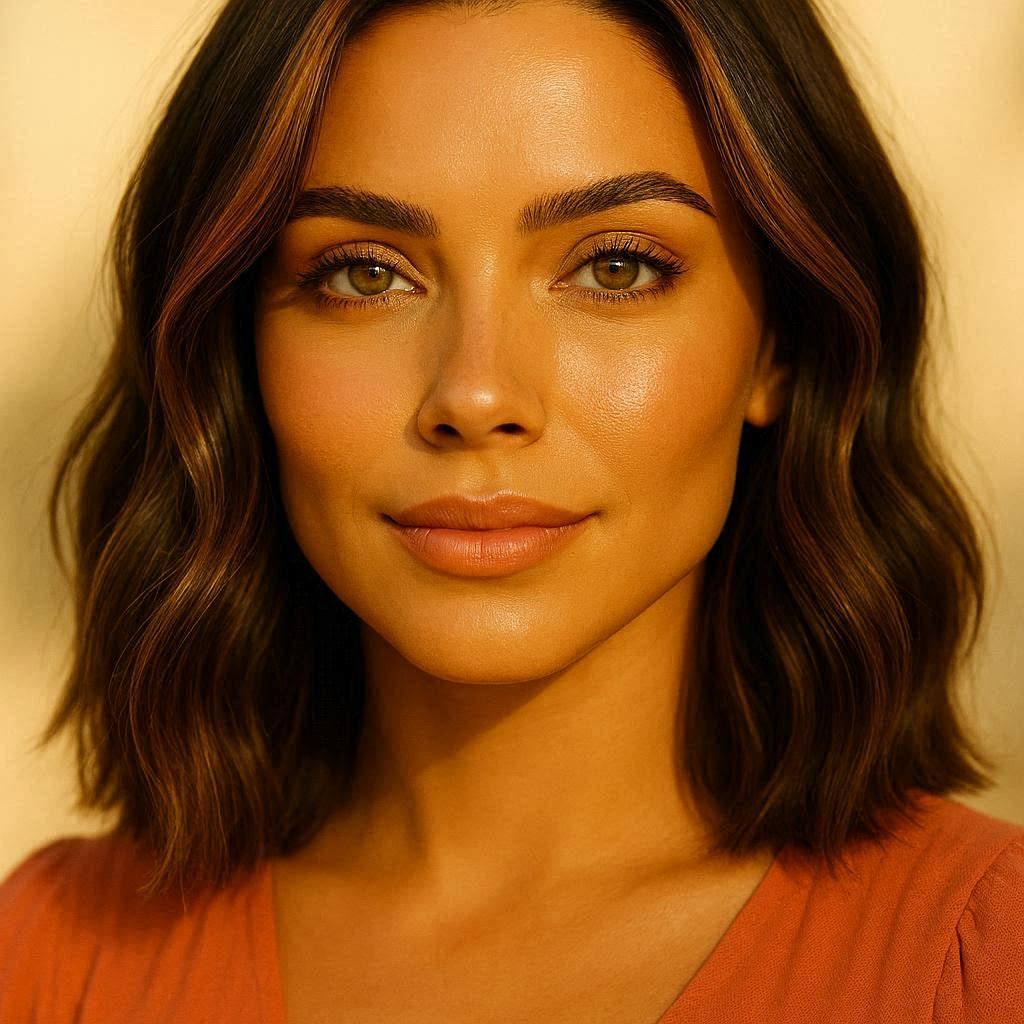
Cream and gel-based bronzers typically perform better in warm conditions because they integrate with the skin’s surface rather than sitting on top. This reduces the risk of emphasizing dry patches or creating a flat, powdery finish. When applying bronzer, focus on the areas where light naturally lands: the outer forehead perimeter, the upper curve of the cheekbones, the bridge of the nose, and lightly along the jawline. Use a damp sponge or clean fingertips to press the product into the skin, which helps it melt smoothly and avoid streaking.
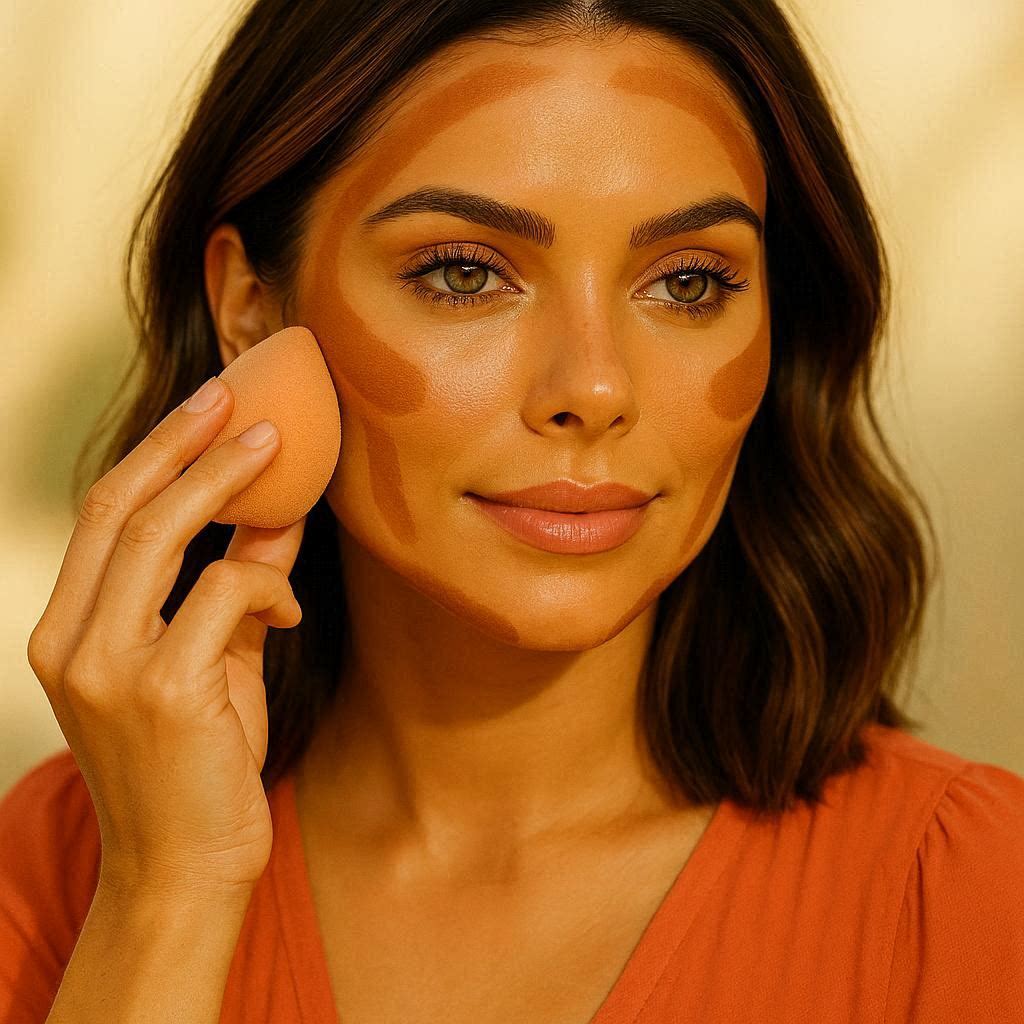
For oily or combination skin, apply cream bronzer first, then lightly set only the T-zone with a translucent powder. For dry skin, prioritize hydrating formulas and avoid powdering the cheeks entirely to maintain a natural luminosity. If you prefer powder bronzers in humid climates, choose finely milled, silica-blended options that resist caking and apply with a dense brush using light, circular motions.
Internal link suggestion: For more quick routines, see our 5-Minute Game Day Makeup Guide.
The Flush: Blush Application and Layering

How to Layer Blush for Longevity
Blush restores vitality and balances the warmth of bronzer. The goal is even distribution that appears as a natural extension of skin tone rather than a concentrated stripe of color.
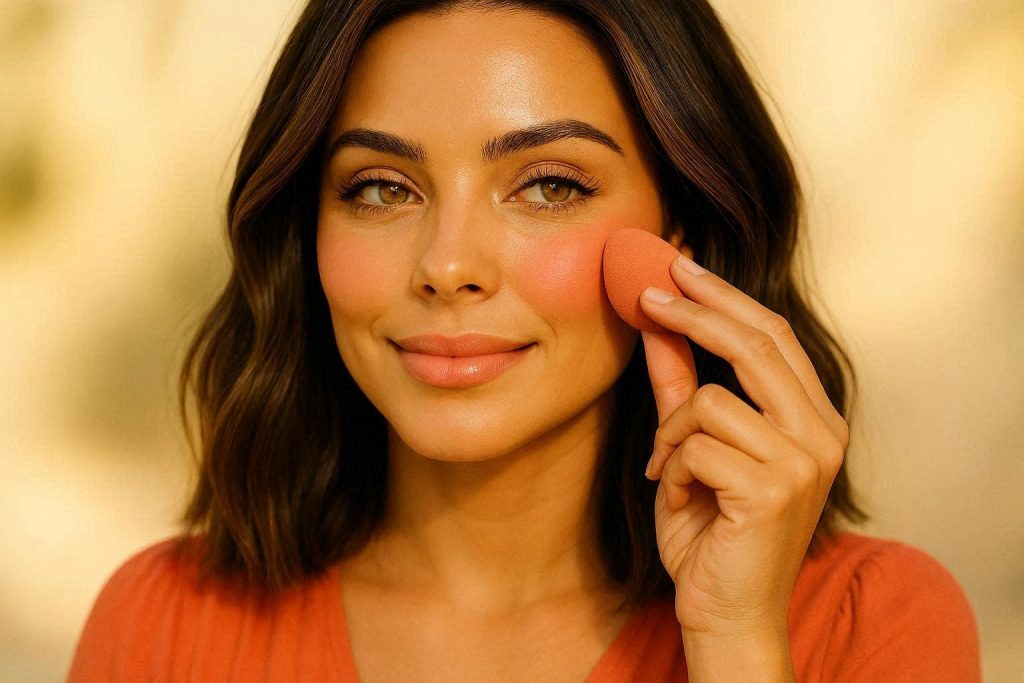
Liquid and cream blushes generally offer better longevity in heat when applied before any powder products. Start with a minimal amount on the apples of the cheeks, blending upward toward the temples. This placement lifts the facial structure and prevents color from settling too low, which can drag the appearance of the face downward.
Layering a light dusting of powder blush over a cream base can improve wear time without adding weight. Choose shades that complement your undertone: peach, apricot, and warm coral suit golden or olive skin; rose, berry, and cool pink flatter fair or neutral undertones. Many accessible brands now offer highly pigmented, blendable formulas that perform consistently when applied with the right technique.
The American Academy of Dermatology recommends broad-spectrum SPF daily, even when wearing makeup.
Preservation and Maintenance for Warm Conditions
Reapplying SPF Over Makeup
Extended outdoor exposure requires slight adjustments to maintain placement and prevent product breakdown.
- Base Protection: Sunscreen should remain your first layer. Allow it to fully absorb before applying color products to prevent pilling or separation.
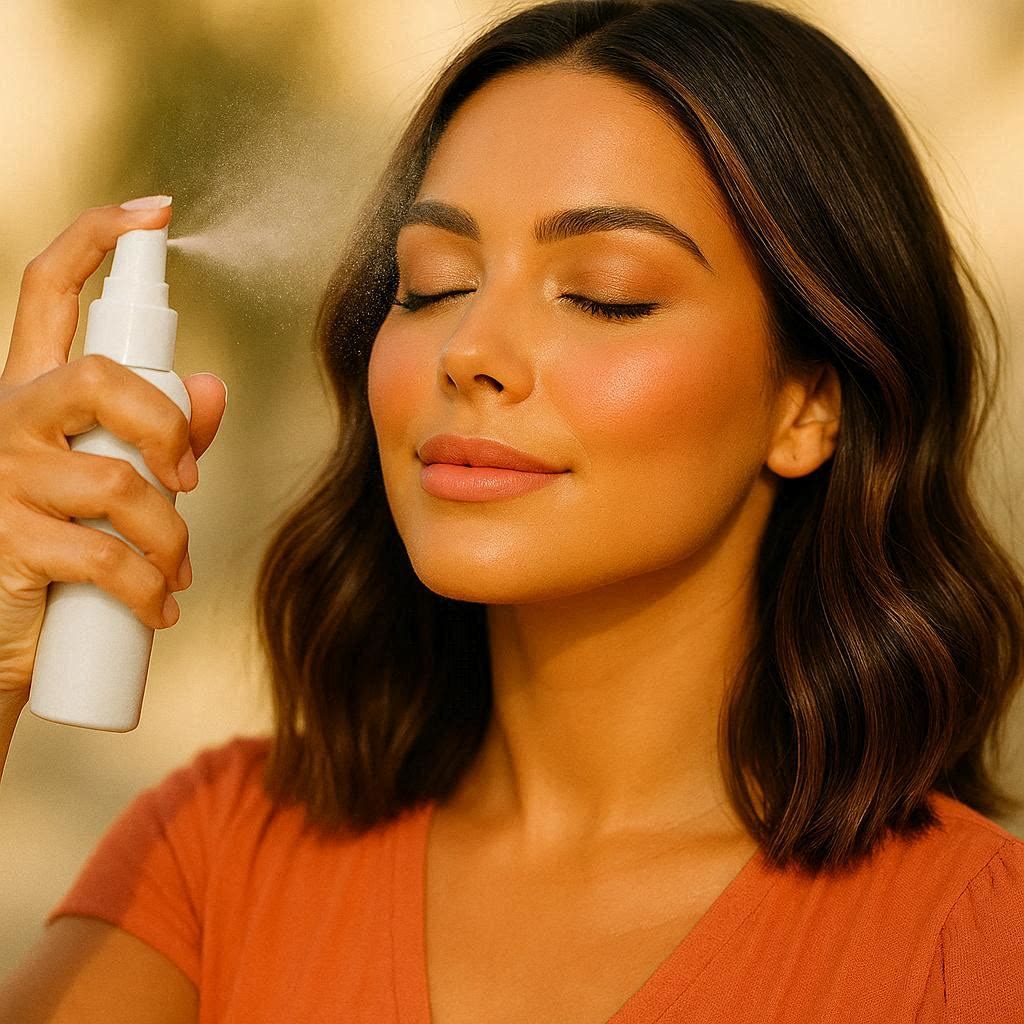
- Setting Strategy: Use a flexible-hold setting spray to lock placement without altering finish. Hold the bottle at least eight inches away and mist in a light, even motion.
- Oil Management: Instead of adding powder over sweat, use oil-absorbing blotting papers first. Press gently to lift excess moisture, then reapply a minimal amount of powder only if shine returns.
- Sun Protection Maintenance: If outdoors for more than two hours, reapply SPF over makeup using a pressed powder with sun filters or a transparent spray SPF. This maintains protection without disrupting your base.
Prep your skin first with our Summer Skincare Essentials.
Troubleshooting Common Warm-Weather Concerns
If bronzer looks muddy or patchy: You may be using too much product or applying over skincare that has not fully absorbed. Reduce the amount, blend with a damp sponge, and allow each layer to set before adding the next.
If blush fades quickly: Ensure you are applying it to prepped, moisturized skin. Cream formulas grip better on hydrated surfaces. If using powder, press it into the skin rather than sweeping it across the surface.
If product slides in high humidity: Switch to water-resistant or long-wear cream formulas. Set strategic areas (forehead, chin, around the mouth) with a light translucent powder, and avoid heavy application on moving areas like the cheeks.
If setting spray leaves a sticky film: Use a lightweight, alcohol-free formula. Mist from a distance, allow thirty seconds to dry naturally, and avoid touching your face until fully set.
A Note on Intentional Application
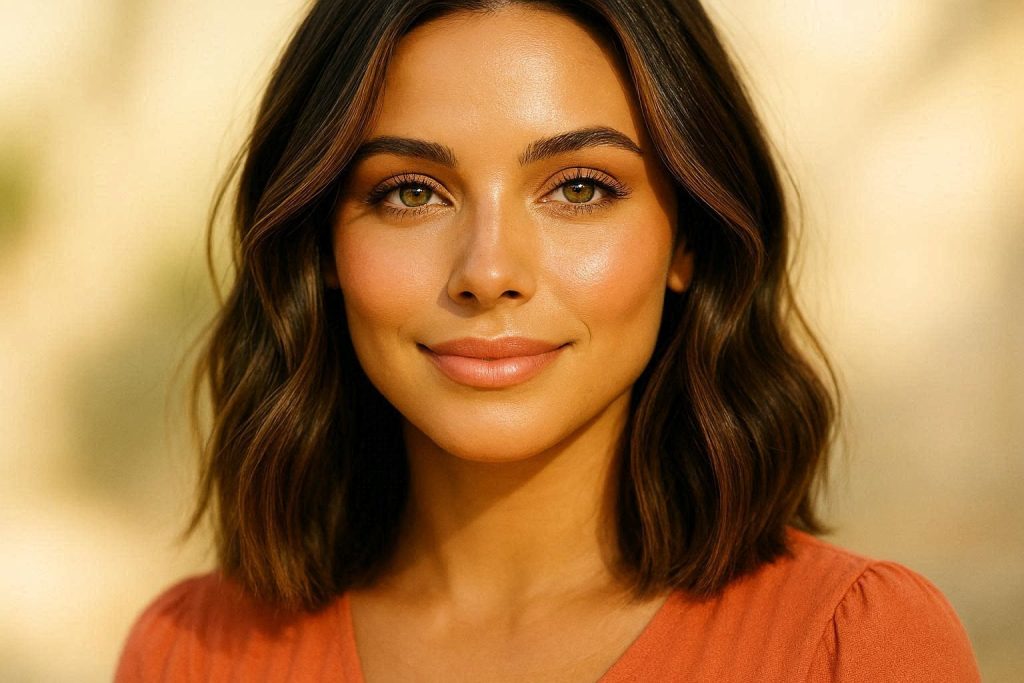
A warm-weather complexion routine is not about achieving a flawless finish. It is about selecting formulas that work with your skin, applying them with clear placement, and trusting that consistency matters more than complexity.
When your routine adapts to heat, humidity, and movement instead of fighting them, makeup becomes a practical tool rather than a source of stress. The goal is not perfection. It is reliability. A finish that holds through travel, responds well to changing light, and lets you focus on the day instead of your reflection.
That is the intention behind this approach. Fewer heavy layers. Clear placement. Adaptable wear. Confidence that moves with the season.
— THE CHIC STYLE LOOK
Conclusion: Warmth That Moves With You
The bronze and blush approach succeeds because it prioritizes dimension over coverage, and adaptability over rigidity. By choosing breathable formulas, applying them with deliberate placement, and adjusting for climate conditions, you create a finish that supports your day rather than demanding constant attention.
This method works because it respects how skin behaves in warm weather. It does not fight natural oil production or humidity. It works with them. The result is a consistent, refined appearance that feels light, moves naturally, and maintains its structure from morning through evening.
In a season that often pushes us toward heavier routines and more touch-ups, choosing simplicity is a form of confidence. It says: I know what works. I trust my technique. I am ready.
That is the promise of a well-executed sun-kissed finish. Not perfection. Not performance. Presence.
You Will Also Love This
- Your Skin Is Thirsty — The Salt Water Method That Actually Fixes It
- 7 Herbal Teas That Hydrate Your Skin From the Inside
- Tallow Cream: The Ancient Moisturiser That Changed My Skin
- The Complete Inside-Out Hydration Protocol
- New Mother? Your hydration needs are doubled. Read the Postpartum Protocol here.
Disclosure: THE CHIC STYLE LOOK is a participant in the Amazon Associates Program and also shares Shein affiliate links. As an Amazon Associate, we earn from qualifying purchases. We may also earn commissions from Shein links — all at no extra cost to you. Thank you for supporting our work.