

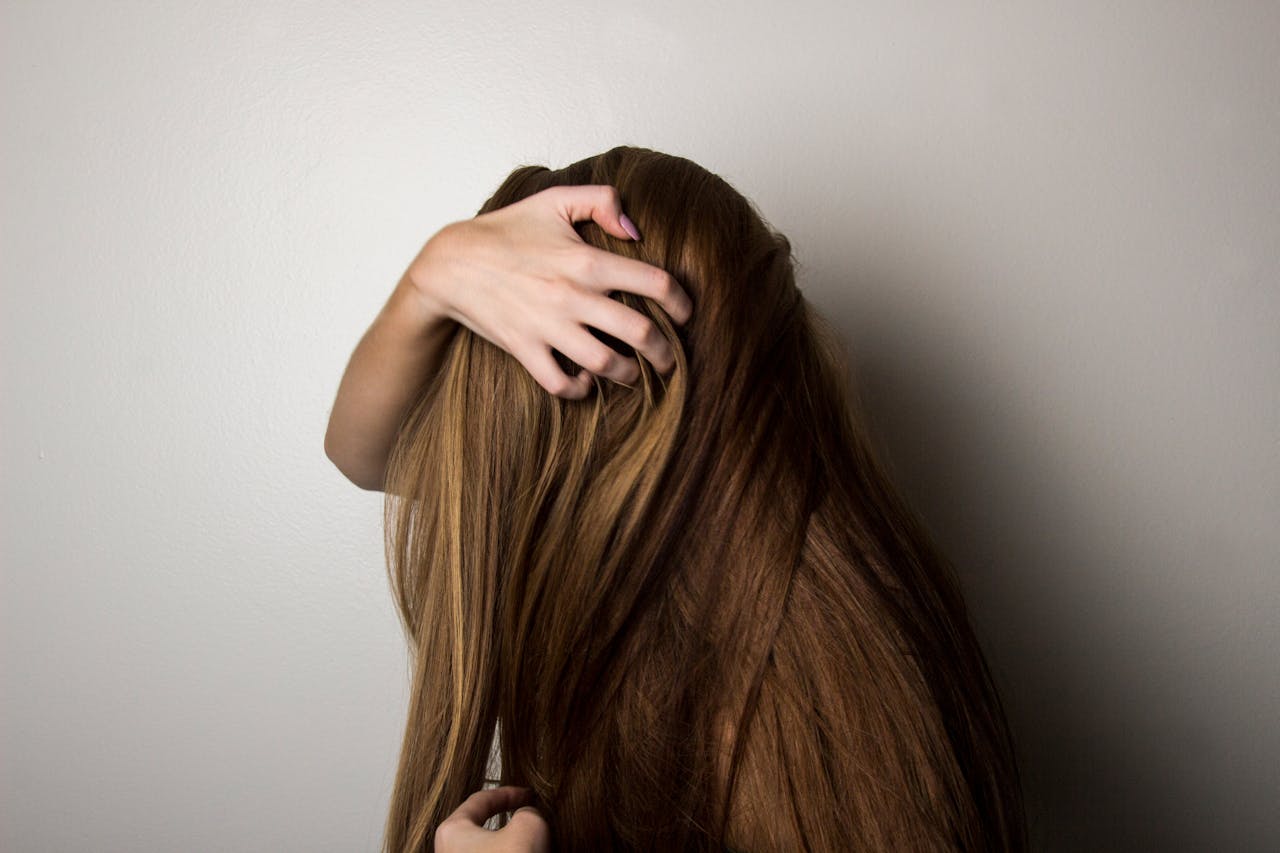
by Bennie Lukas Bester
Unveiling the Dandruff Culprits – Cracking the Code
Have you ever wondered why your scalp decides to erupt in a blizzard of white flakes? Dandruff, also known as seborrheic dermatitis, can be caused by a variety of factors. Understanding the culprit behind your dandruff is the first step to combating it effectively.
- The Sneaky Scalp: Dry skin is a common culprit. Imagine your scalp as a desert – it craves moisture! When your scalp lacks hydration, it overproduces skin cells, which build up and shed as flakes.
- Fungal Foes: Malassezia, a yeast naturally present on the scalp, can disrupt the natural balance of scalp flora. An overgrowth of this yeast can contribute to dandruff.
- Product Provocation: Harsh chemicals or irritating ingredients in shampoos, conditioners, or styling products can trigger an inflammatory response in your scalp, leading to flaking and itching.
- Sensitivity Central: Fragrances or other ingredients in hair care products can trigger an inflammatory response, causing redness, irritation, and dandruff.
- Stress – Not Your Scalp’s Friend: Chronic stress disrupts the hair growth cycle and can worsen dandruff. When you’re stressed, your body produces more cortisol, a hormone that can exacerbate scalp problems.
Problem-Solving Hacks:
Feeling overwhelmed by the science? Here are some easy hacks to combat these common dandruff culprits:
- DIY Scalp Soother: Mix equal parts plain yogurt and honey. Apply to your scalp, leave on for 15 minutes, then rinse with lukewarm water. Yogurt’s probiotics can help combat yeast overgrowth, while honey soothes irritation. (Sensitive scalp? Skip the honey and use plain yogurt.)
- Patch Test is Your Best Friend: Before applying any new hair product, do a patch test behind your ear to check for any sensitivity. Apply a small amount of the product and wait 24 hours. If you experience redness, itching, or irritation, avoid that product.
Shampoo Showdown – Choosing Your Dandruff-Fighting Weapon:
Not all shampoos are created equal, especially when it comes to battling dandruff. Here’s a breakdown of some common dandruff-fighting ingredients and the shampoos that contain them:
- Zinc Power: Look for shampoos with pyrithione zinc (often listed as ZPT). This ingredient combats the Malassezia yeast that can contribute to dandruff. It works by slowing down the growth of the yeast and reducing flaking.
- Selenium Superstar: Selenium sulfide shampoos are another effective option. They work by reducing inflammation and slowing down the overproduction of skin cells. However, they can have a stronger odor than other dandruff shampoos.
- Ketoconazole Conquest: This prescription-strength shampoo is a powerful antifungal for stubborn dandruff. It’s typically reserved for more severe cases and should be used under the guidance of a dermatologist.
- Coal Tar Therapy: Coal tar shampoos can be effective but have a stronger odor and may stain light-colored hair. They work by reducing inflammation and slowing down skin cell turnover.
Tip: Alternate between different dandruff shampoos to prevent your scalp from becoming resistant to one particular ingredient. For example, you could use a zinc-based shampoo for two weeks, then switch to a selenium sulfide shampoo for the next two weeks.
Problem-Solving Hack:
Dandruff shampoos can be drying, especially if you use them frequently. Here’s a tip to combat dryness:
- Deep Conditioning Defense: After using a dandruff shampoo, follow up with a deep conditioner to replenish moisture and prevent your hair from becoming dry and brittle. Look for deep conditioners with ingredients like shea butter, coconut oil, or avocado oil.
Scalp Scrub Salvation – Buff Away the Buildup:

by
Doğu Tuncer
Dandruff flakes are essentially dead skin cells that haven’t shed properly. A gentle scalp scrub can help remove these flakes and prevent them from building up. Here are a couple of DIY scalp scrub options:
- Sugar Scrub Savior: Combine brown sugar, olive oil, and a few drops of tea tree oil for a gentle scalp exfoliation. Massage the mixture gently in circular motions for a few minutes, focusing on areas prone to flaking. Then rinse thoroughly with lukewarm water. (Sensitive scalp? Skip the tea tree oil, or dilute it further with carrier oil like jojoba oil.)
- Oatmeal Oasis: Oatmeal has natural anti-inflammatory and moisturizing properties. Blend rolled oats into a fine powder, then mix with honey and yogurt to create a soothing scalp scrub. Massage gently onto your scalp and rinse thoroughly.
Scalp Scrub Savvy:
- Avoid using harsh scrubs or abrasive ingredients that can irritate your scalp.
- Limit scalp scrubs to 1-2 times per week to prevent stripping your scalp of its natural oils.
- Be gentle during application – massage in circular motions without excessive pressure.
Scalp Massages for the Win – Boost Circulation, Banish Buildup:
A scalp massage isn’t just relaxing, it can also benefit your dandruff woes. Here’s how:
- Fingertip Frenzy: Gently massage your scalp in circular motions for a few minutes daily. This improves blood circulation, which promotes nutrient delivery to hair follicles and helps loosen dead skin cells that can contribute to dandruff.
- Warm Up the Act: Take a warm shower before your scalp massage to soften the scalp and make it easier to remove buildup. The warm water will also help the massaging oils penetrate better.
Bonus Tip: Add a few drops of lavender oil or peppermint oil to your fingertips for a relaxing and invigorating scalp massage experience.
Hair-Raising Habits to Ditch – Gentle Gestures for a Happy Scalp:
Sometimes, dandruff can be exacerbated by everyday hair care habits. Here are some tips to swap out scalp-stressing habits for gentle practices:
- Ditch the Daily Wash: Over-washing your hair can strip your scalp of its natural oils, which can actually worsen dandruff. Aim for 2-3 washes per week, depending on your hair type and activity level. If your hair gets greasy in between washes, use a dry shampoo to absorb excess oil without stripping your scalp.
- Hot Heads Beware: Avoid hot water when showering, as it can dry out your scalp and worsen flaking. Opt for lukewarm water to cleanse your scalp gently.
- Brush it Off – Gently: Detangle hair gently with a wide-tooth comb while it’s wet. Brushing too harshly can irritate the scalp and exacerbate dandruff. Start at the ends and work your way up to the roots to avoid pulling or breakage.
- Silk Pillowcase Savior: Swap to a silk or satin pillowcase. Cotton pillowcases can create friction that irritates the scalp and worsens dandruff. Silk or satin pillowcases reduce friction, minimizing breakage and irritation that can contribute to flaking.
Problem-Solving Hack:
Does sweat trigger your dandruff? Here’s a tip to manage post-workout scalp woes:
- Post-Sweat Scalp Soothing: After sweating, rinse your scalp with cool water as soon as possible to remove sweat and prevent buildup. You can also use a gentle, fragrance-free cleansing wipe to remove sweat without needing a full shower.
Dietary Do’s and Don’ts for a Healthy Scalp

Thiago Schlemper
What you eat can impact your scalp health just as much as what you put on it. Here are some dietary tips to promote a healthy scalp and potentially reduce dandruff:
- Hydration Hero: Drink plenty of water throughout the day to keep your scalp and hair hydrated from the inside out. Dehydration can contribute to dry skin and worsen dandruff. Aim for 8 glasses of water per day.
- Omega-3 Power: Include omega-3 fatty acids in your diet for healthy hair and scalp. Omega-3s have anti-inflammatory properties that can benefit scalp health. Fatty fish like salmon, sardines, and mackerel are excellent sources of omega-3s. You can also get them from flaxseeds, walnuts, and chia seeds.
- Zinc is Your Friend: Zinc is a mineral that plays a role in healthy hair growth and scalp function. Incorporate zinc-rich foods like lentils, chickpeas, oysters, and lean red meat into your diet.
Problem-Solving Hack:
If you suspect a food sensitivity might be contributing to your dandruff, consider keeping a food diary to track your meals and any flare-ups you experience. This can help you identify potential triggers and eliminate them from your diet.
Stress Less, Flake Less – Managing Stress for Scalp Serenity:
Chronic stress can wreak havoc on your overall health, and your scalp is no exception. Stress can disrupt the hair growth cycle and worsen dandruff flare-ups. Here are some tips to manage stress and promote scalp health.
- Find Your Zen: Explore relaxation techniques like yoga, meditation, or deep breathing exercises to help manage stress and potentially reduce dandruff flare-ups.
- Prioritize Sleep: Getting enough quality sleep is crucial for overall health, including scalp health. Aim for 7-8 hours of sleep per night.
- Seek Support: If stress feels overwhelming, don’t hesitate to seek support from a therapist or counselor. They can equip you with tools to manage stress and improve your overall well-being.
When to See a Dermatologist – Seeking Professional Help
If you’ve tried these strategies for several weeks and your dandruff persists, worsens, or you experience:
- Severe itching or burning
- Scalp redness
- Hair loss
- Scalp sores
It’s best to consult a dermatologist. They can diagnose the underlying cause of your dandruff, such as seborrheic dermatitis or another scalp condition, and recommend a personalized treatment plan. This may involve stronger medicated shampoos, prescription medications, or other therapies.
Conclusion – A Flake-Free Future Awaits
You Might Also Enjoy:
The 4-Minute Mirror-Shine Hack: How to Restore Hair Shine Naturally at Home
Essential Oils for Skin and Beauty: The Complete Beginner’s Guide to Aromatherapy & Massage
Modern Shag Haircut: Why This Layered Trend Is Transforming Hair in 2026
How to Style Birkin Bangs: The Breakout Haircut of Spring 2026
How Do I Make My Hair Grow Faster? Everything I Tried — and the 4 Things That Actually Worked