

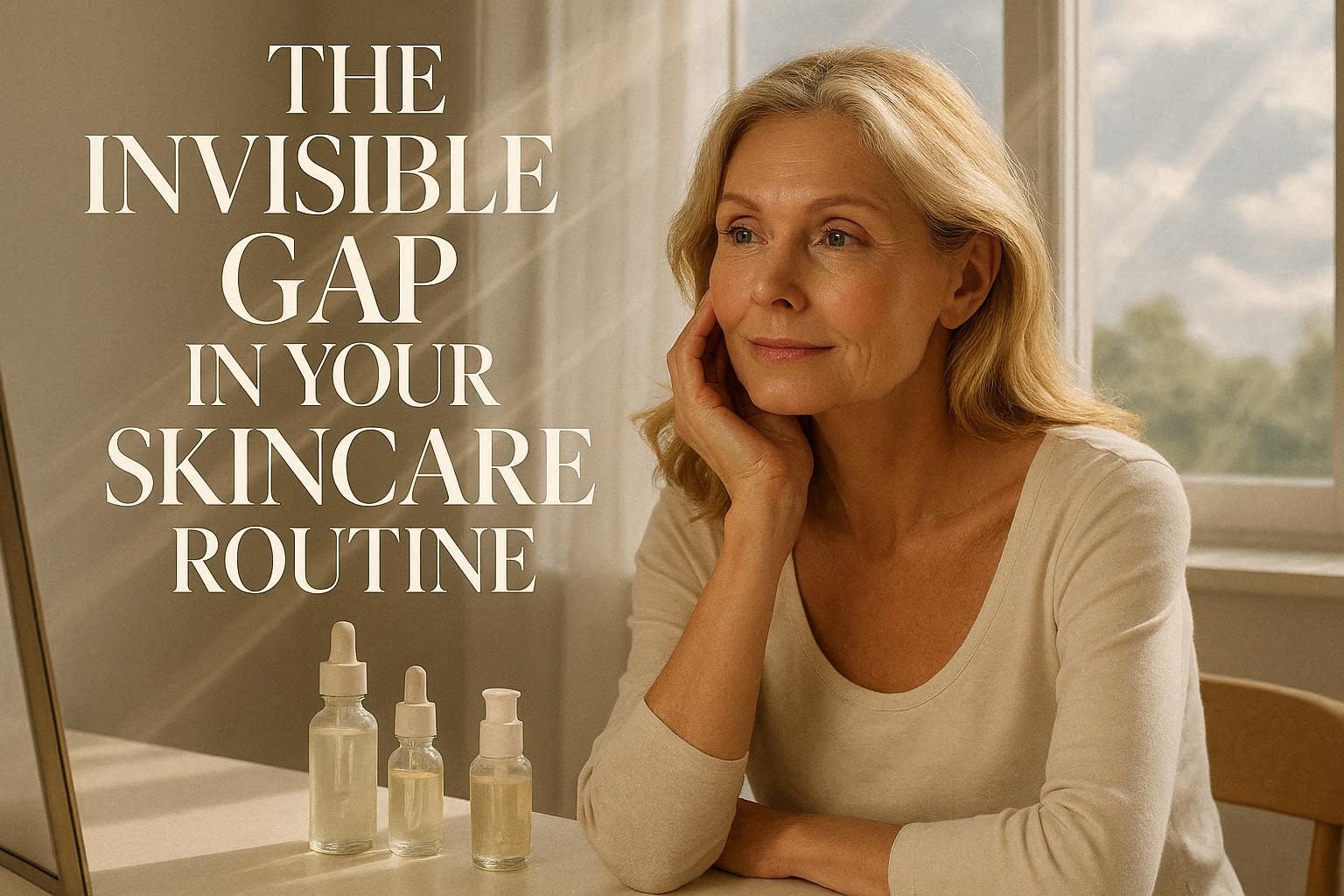

The Invisible Gap in Your Skincare Routine
I want you to take a moment and think about your morning routine. You’ve invested in the serums, you’re eating the right proteins, and you’re diligent about your “anti-aging” moisturizer. You feel protected. But if you’re still noticing new fine lines, persistent redness, or those stubborn sunspots that refuse to fade, I have an important truth to share.
⚠️ Medical Disclaimer: I am not a dermatologist or medical professional. This article shares research on photoprotection and personal testing experience. Sunscreen recommendations are not a substitute for professional dermatological advice. Always consult a licensed dermatologist before making changes to your sun protection routine, especially if you have melasma, rosacea, skin cancer history, or are using prescription retinoids or acids.
The problem isn’t your skin. The problem may be inadequate sun protection.
For years, we were taught that SPF is only for the beach or for preventing burns. But current dermatological research has revealed a critical reality: UVA rays—the “silent agers”—penetrate deep into your dermis even on cloudy days, even through your office window, and even when using sunscreens that lack modern, photo-stable filters. If you feel like your skin is aging despite your efforts, it’s not simply because you’re “getting older.” It may be because your current sunscreen isn’t providing the comprehensive protection that mature skin requires.
Here at The Chic Style Look, we’ve spent months researching the gap between “standard protection” and “mature skin preservation.” This guide breaks down exactly what to look for and which formulas actually deliver. Let’s protect your skin effectively, before cumulative damage becomes more difficult to address.
The Science of Photo-Aging: Why Mature Skin Needs More Protection

When we are in our 20s, our skin is resilient and repairs quickly. But after 40, our collagen levels are already naturally declining at a rate of approximately 1% per year. When UVA rays hit unprotected or under-protected mature skin, they don’t just cause a tan; they generate free radicals that degrade existing collagen and elastin fibers, accelerating the visible signs of aging.
Research published in the Journal of Dermatological Science confirms that approximately 80% of visible facial aging is attributable to cumulative sun exposure, not chronological age. Using a sunscreen that isn’t photo-stable means that after two hours of sun exposure, your protection may have significantly degraded, leaving your skin vulnerable during peak UV hours.
Modern photoprotection requires more than just a high SPF number. It demands broad-spectrum coverage that includes UVA-1 protection (340–400nm), photo-stable filters that don’t degrade in sunlight, and antioxidants that neutralize free radicals before they damage cellular DNA.
The “Hidden Damage” Audit: Signs Your SPF Isn’t Enough

Look closely at your skin in natural daylight. Do you notice:
The “Shadow” Spots: Not quite freckles, but a mottled, uneven tone on your cheekbones and forehead? This indicates cumulative UV damage and melanin dysregulation.
The Crepe-like Texture: Skin that looks thin and loses its “bounce” by late afternoon? This suggests elastin degradation from chronic UVA exposure.
The Persistent Redness: Tiny broken capillaries around the nose and cheeks that never seem to fully heal? This signals compromised barrier function and inflammation from unprotected sun exposure.
If you answered yes to any of these, your current sunscreen may be failing to block the full spectrum of ultraviolet and high-energy visible (HEV) light. Every day you continue with inadequate protection, you allow cumulative damage that becomes increasingly difficult to reverse. The cost of switching to a better formula today is minimal. The cost of repairing advanced photo-damage later is significant.
The 2026 Gold Standard: What Mature Skin Actually Needs

I have tested dozens of formulas from the US, Europe, and Korea. The ones that passed the test share five critical characteristics: they are photo-stable, offer true broad-spectrum protection, contain antioxidants, feel elegant on mature skin, and don’t settle into fine lines or pill under makeup.
1. The European Powerhouse: La Roche-Posay Anthelios UVMune 100
Best For: Maximum protection and outdoor days.
This formula is considered the gold standard in European dermatology for a reason. It uses the Mexoryl 100filter, one of the few filters that effectively blocks ultra-long UVA rays that many traditional sunscreens miss.
Why it works for mature skin: If you are serious about preventing further sunspot formation and protecting existing collagen, this provides comprehensive coverage. It’s lightweight, absorbs quickly, and layers well under makeup without pilling.
2. The K-Beauty Radiance: Beauty of Joseon Relief Sun
Best For: Daily wear and the “bridal glow.”
This formula changed how I feel about daily SPF. It contains 30% rice extract and grain-derived probiotics that nourish while protecting.
The experience: It feels like a luxury silk primer. It doesn’t settle into lines; it blurs them. If you dislike the heavy feel or chemical smell of traditional sunscreens, this is an excellent alternative. It’s particularly suited to those who want protection that doubles as skincare.
3. The American Classic: EltaMD UV Clear Broad-Spectrum SPF 46
Best For: Sensitive, rosacea-prone, or reactive skin.
This dermatologist favorite contains high-purity niacinamide to calm redness while transparent zinc oxide provides a gentle physical shield. It’s fragrance-free, non-comedogenic, and specifically formulated for compromised or sensitive skin barriers.
Why it works: Mature skin is often more reactive. This formula protects without irritation, making it ideal for those using retinoids or acids in their routine.
4. The Deep Tone Specialist: Black Girl Sunscreen SPF 30
Best For: Zero white cast and deep hydration for melanin-rich skin.
Finally, a formula that understands that deeper skin tones need protection without looking ashy or grey. It’s packed with avocado and jojoba oil, acting as a high-end moisturizer while providing broad-spectrum protection.
The experience: It absorbs completely, leaving no residue. It’s particularly beneficial for those with dry or normal skin who want hydration and protection in one step.
5. The Luxury Tint: SkinCeuticals Physical Fusion UV Defense
Best For: Special occasions and “no-makeup” days.
A 100% mineral filter with a sheer, universal tint that adapts to your skin tone, giving you an instant “expensive skin” look. It contains artemia salina, a plankton extract that helps protect against UV-induced stress.
Why it works: The universal tint eliminates the white cast that plagues many mineral sunscreens, making it suitable for a wide range of skin tones while providing gentle, physical protection.
How to Apply Sunscreen Correctly on Mature Skin

The best sunscreen in the world will fail if applied incorrectly. On mature skin, we use the “Three-Finger Rule.”
Step 1: Apply two strips of product to your index and middle fingers for your face. This ensures you’re using the clinically tested amount (approximately 1/4 teaspoon for the face).
Step 2: Apply a third strip for your neck and décolletage. These areas reveal age quickly and are often neglected.
Step 3: The Press-and-Seal Method: Don’t rub your sunscreen aggressively. Gently press and pat it into your skin. This ensures a uniform film that doesn’t break or pill when you apply makeup on top.
Step 4: Wait 2–3 minutes before applying foundation. This allows the formula to set and reduces the risk of slippage or uneven coverage.
Who Should Be Extra Cautious
While daily sun protection is essential for everyone, certain individuals should pay special attention to their SPF choice:
Melasma or hyperpigmentation: Look for tinted sunscreens with iron oxides, which block visible light that can worsen dark spots.
Rosacea or sensitive skin: Choose mineral or hybrid formulas with zinc oxide and avoid chemical filters like oxybenzone.
Using prescription retinoids or acids: Your skin is more photosensitive. SPF 50+ with high UVA protection is non-negotiable.
History of skin cancer: Consult your dermatologist for medical-grade recommendations and consider daily full-body protection.
Pregnancy or nursing: Stick to mineral sunscreens (zinc oxide, titanium dioxide) as a precaution, as some chemical filters are under ongoing safety review.
FAQ: Best Sunscreen for Mature Skin Over 40

Is SPF 30 enough for daily use on mature skin?
Dermatologists increasingly recommend SPF 50 for facial use, especially for mature skin. The difference in protection might seem small (93% vs. 98%), but that 5% gap represents significant cumulative DNA damage over time. For daily indoor use, SPF 30 is acceptable if you’re not near windows. For outdoor time or driving, SPF 50 is the safer choice.
Can I skip moisturizer if my SPF is hydrating?
Yes, especially with formulas like Beauty of Joseon or Black Girl Sunscreen. Fewer layers mean less chance of product pilling and a more elegant finish. However, if you use active ingredients (vitamin C, retinol), apply them before your sunscreen and allow full absorption.
How often should I really reapply?
If you’re indoors away from windows, once in the afternoon is sufficient. If you’re near windows, commuting, or outdoors, reapply every 2 hours. UV rays penetrate glass, and protection degrades over time. For makeup wearers, SPF setting sprays or powder sunscreens can help with touch-ups.
Do I need sunscreen on cloudy days?
Absolutely. Up to 80% of UV rays penetrate cloud cover. UVA rays, which cause aging, are present year-round and pass through windows and clouds. Daily application is the only way to prevent cumulative damage.
Will sunscreen make my mature skin look greasy or settle into lines?
Not if you choose the right formula. Modern sunscreens designed for mature skin are lightweight, blurring, and often contain silicones or powders that soften the appearance of fine lines. Avoid heavy, oil-based formulas and look for “dry touch” or “matte finish” labels.
Can I use body sunscreen on my face?
It’s not recommended. Body sunscreens are often thicker, more comedogenic, and may contain fragrances that irritate facial skin. Facial formulas are specifically tested for delicate skin and designed to wear well under makeup.
Conclusion — A Choice Between Prevention and Correction

You are now at a crossroads. You can continue with the information you had yesterday, using products that feel “fine” but may be allowing cumulative damage to progress. Or, you can choose comprehensive protection designed for the unique needs of mature skin.
Investing in the right sunscreen isn’t an indulgence; it’s the single most effective anti-aging intervention available. The price of a quality bottle is modest. The cost of repairing advanced photo-damage—through lasers, peels, and prescription treatments—is exponentially higher, both financially and in terms of skin health.
I’ve done the testing. I’ve reviewed the clinical research. These five formulas represent the best balance of protection, elegance, and skincare benefits for mature skin. Find the one that fits your lifestyle and skin type, and commit to daily use.
Don’t wait for the next sunspot to appear. Your future self is looking back at you today, hoping you make the protective choice.
Which of these textures sounds like your perfect match? Drop a comment below about your skin type and concerns, and I will personally help you decide which of these five shields belongs on your vanity.
You Might Also Enjoy:
5 Foundations That Move With You, Not Against You
The Complete Inside-Out Hydration Routine
(Informational purposes only — not medical advice.)
Disclosure: THE CHIC STYLE LOOK is a participant in the Amazon Associates Program and also shares Shein affiliate links. As an Amazon Associate, we earn from qualifying purchases. We may also earn commissions from Shein links — all at no extra cost to you. Thank you for supporting our work.