

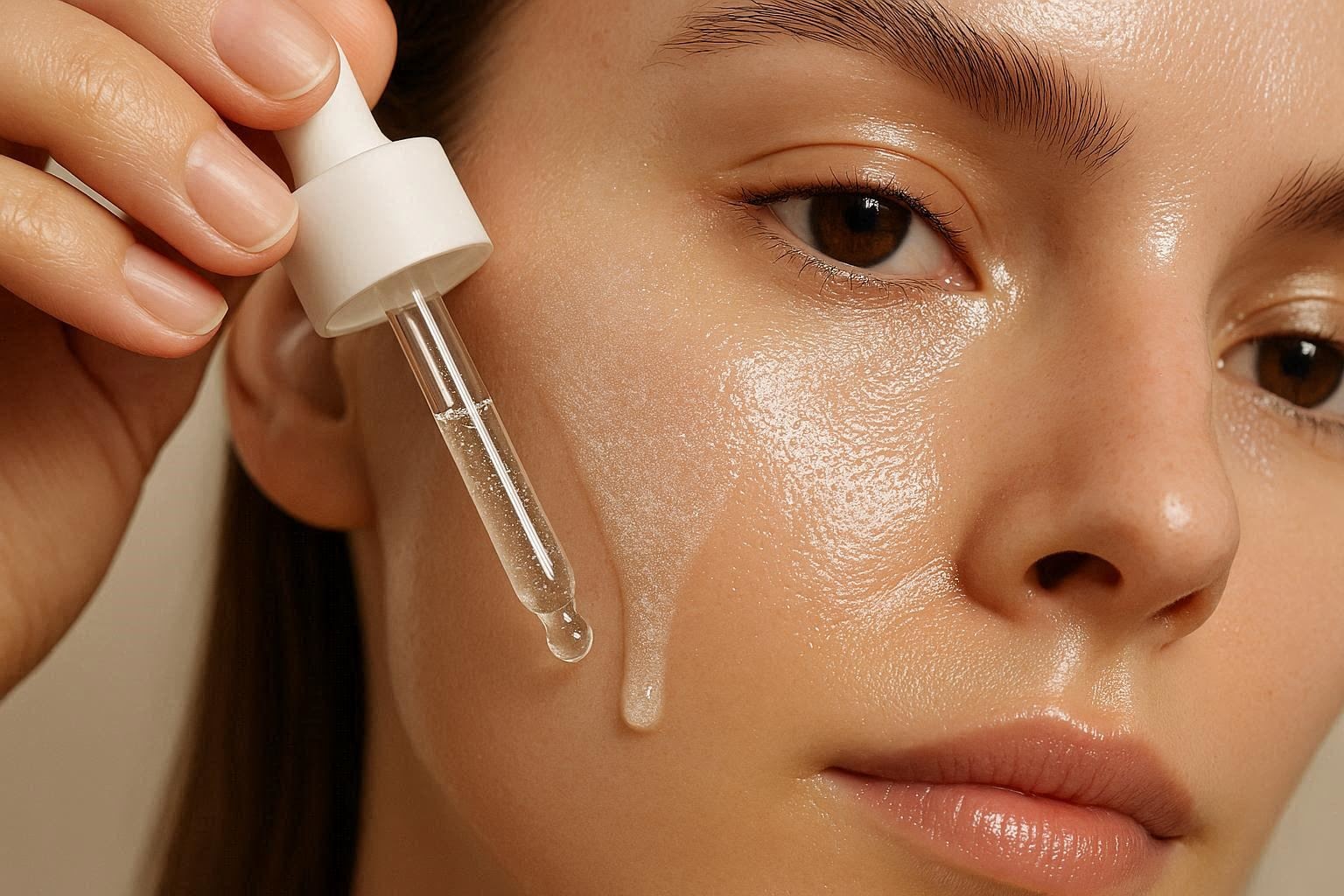

If you’ve spent any time researching how to fix redness or stubborn dark spots lately, you’ve likely stumbled upon a name that is currently out-trending Retinol and Vitamin C: *Azelaic Acid.* But why is everyone suddenly searching for this specific grain-derived acid?
For years, we were told that skincare had to “tingle” or “peel” to work. In 2026, we’ve learned that the opposite is true. We are in the era of *Barrier Support*, and Azelaic Acid is the “Peacekeeper” the industry has been waiting for. In this comprehensive guide, you’ll discover why this ingredient is a must-have for sensitive skin and how to integrate it into your routine for professional-grade results.
TABLE OF CONTENTS
* The Science: What is Azelaic Acid?
* The 3-Way Action: Acne, Redness, and Pigment
* How to Layer Azelaic Acid with Your Current Routine
* Pros and Cons for Different Skin Types
* FAQs: Retinol vs. Azelaic Acid
Why Azelaic Acid is Trending in 2026 Skincare

The surge in interest (up 400% on Google) is driven by a global increase in skin sensitivity. Between pollution and over-using harsh peels, our skin barriers are tired. Azelaic Acid is trending because it is a *dicarboxilic acid*—it’s much gentler than AHAs (like Glycolic) or BHAs (like Salicylic). It offers a “soft-touch” exfoliation that doesn’t trigger the inflammatory response, making it the gold standard for “Glass Skin” seekers who have sensitive complexions.
How to Choose the Perfect Formula for Your Space (Skin Type)

Concentrations and Textures
10% Suspensions: Best for beginners and those with Rosacea. It calms redness without the “itch” sometimes associated with higher doses.
15% – 20% (Prescription Strength): Focused on severe acne and deep post-inflammatory hyperpigmentation.
Cream vs. Gel: Creams are better for dry, mature skin; gels are preferred for oily, acne-prone types.
Best Benefits of Azelaic Acid for 2026 Skin
The “Redness Eraser”

Azelaic Acid is one of the few ingredients that can actually “calm down” the blood vessels in the skin, making it a miracle worker for Rosacea and general flushing.
The Pigment Disruptor

It targets only the overactive melanocytes (the cells that cause dark spots), meaning it brightens your “sun spots” without bleaching your natural skin tone.
Pro Tips to Style Your Routine Like a Dermatologist

The “Sandwich” Method: If you are very sensitive, apply a light moisturizer, then your Azelaic Acid, then another layer of moisturizer.
The Morning Glow: Use it in the morning! Unlike Retinol, it doesn’t make your skin sensitive to the sun (though you should still wear SPF).
Pros and Cons of Azelaic Acid

Pros:
* Safe for pregnancy and breastfeeding (always consult your doctor).
* Anti-bacterial and anti-inflammatory.
* Can be used with Vitamin C and Retinol.
Cons:
* Can cause a temporary “tingling” or itching sensation for the first 5 minutes.
* Slower results than harsh acids (requires 4-6 weeks of consistency).
FAQs About Azelaic Acid
Can I use it with Retinol? Yes! It actually helps the skin tolerate Retinol better by reducing the initial inflammation.
Does it help with blackheads? Yes, it keeps the pores clear of bacteria and dead skin cells, preventing clogs before they start.
CONCLUSION

Azelaic Acid is the ultimate proof that you don’t have to hurt your skin to help it. By choosing an ingredient that works with your biology rather than against it, you are investing in the long-term health of your complexion. Whether you’re fighting redness or chasing that elusive even skin tone, this “quiet” hero is the missing piece of your 2026 skincare puzzle.
you will also love this
Disclosure: THE CHIC STYLE LOOK is a participant in the Amazon Associates Program and also shares Shein affiliate links. As an Amazon Associate, we earn from qualifying purchases. We may also earn commissions from Shein links — all at no extra cost to you. Thank you for supporting our work.